The easy version of this post would treat dermatologists as the opposition. I’m not going to write that one, partly because it would be dishonest and partly because most of what they say about tallow is correct.
So here is what dermatologists think about tallow for skin care, laid out as fairly as I can manage while selling the stuff. Three of their objections hold up. One is really a complaint about how a jar was made, which is a different argument.
Is There Research on Tallow for Skin?
Very little, and this is the objection I’ve the least answer to.
You won’t find large controlled trials on tallow as a moisturizer. What exists is small, old, or about something adjacent. When a dermatologist says the evidence base is thin, they’re describing the situation accurately.
I’d add one piece of context that isn’t a defense. Nobody funds trials on rendered beef fat, because there’s no patent at the end of it and no company large enough to pay for one. Thin research reflects who pays for research at least as much as it reflects the substance.
That still leaves me without the evidence. So I don’t make claims that would need it, and I’d be wary of anyone in my industry who does.
Is Skincare Tallow the Same as Cooking Tallow?
No, and the confusion behind this question is doing real damage to how tallow gets discussed.
Cooking tallow is usually rendered from trim, the fat trimmed off muscle. It’s rendered hot because speed matters and nobody minds a beefy smell in a pan. It’s a food product and a good one.
Skincare tallow should come from kidney suet, the harder fat around the kidneys. Render it slowly at low temperature and the impurities separate out rather than cooking into it. I render mine three times.
Same animal, different fat, different process, and a very different jar at the end. When somebody says they tried tallow on their face and it was greasy and smelled like dinner, there’s a decent chance they used the tub from the supermarket. That was never made for skin.
Does Tallow Clog Pores?
For some people, yes, and the honest answer is that nobody can tell you in advance whether you’re one of them.
Tallow rates low on the commonly used comedogenic scale. I don’t want to lean on that number too hard, and neither should anybody selling you something. Much of that scale traces back to testing on rabbit ears. Reviewers examining that model found no reliable correlation with human skin along with real inconsistency between laboratories. A low rating is a weak reassurance, not a guarantee.
What I see in practice is that oily and acne-prone skin is where the answers vary most, and a dermatologist who is careful about recommending a dense fat to an acne patient is doing their job properly. Everyone’s skin is different, which is why I tell people to try a little on one spot for two weeks rather than take anyone’s word for it.
If a doctor is treating your skin, ask them first
This applies to anything you add, mine included. If you’re on a prescribed routine, dropping a new product into the middle of it makes it hard to tell what did what. That’s a real cost.
Why Do Dermatologists Say Tallow Smells Bad?
Because a lot of it does, and this is the one objection I’ll push back on, because it isn’t really about tallow.
Fat picks up the character of what it came from and how it was rendered. Trim fat renders beefy. Kidney suet renders clean. Cook it too hot and the impurities stay in and you get a jar that smells like Sunday dinner.
A great many jars on the market were made from fat bought already rendered, at temperature, and then covered with fragrance to hide the result. Those top notes burn off within a few weeks and the meaty smell comes back, which is when people conclude that tallow smells bad.
They tried a badly made jar. That’s a fair thing to conclude from the evidence they had, and it’s a manufacturing problem rather than a property of the ingredient.

Do Dermatologists Recommend Tallow?
Mostly not, and I think there are two different reasons that get blurred together.
The first is the evidence gap, which is legitimate and which I’ve already conceded. A clinician recommending something to a patient wants literature behind it, and it isn’t there.
The second is simply that it’s unfamiliar. Tallow left mainstream skincare decades ago when plant oils and synthetics became cheaper and easier to formulate with. A whole generation of training happened without it. Unfamiliarity isn’t evidence against something, but it isn’t evidence for it either.
Where dermatologists and I actually agree is more interesting than where we don’t. Occlusives help dry skin. Ointments generally outperform lotions on very dry skin, which is a point the American Academy of Dermatology makes plainly. A dense fat is doing the same job by the same mechanism.
What a Dermatologist Would Want You to Do
Honestly, the same things I’d tell you at my booth.
- Patch test properly. Inside of the forearm, several days, before it goes near your face.
- Change one thing at a time. Otherwise you learn nothing from the result.
- Don’t start during a flare. Judging any product against inflamed skin tells you nothing useful.
- Stop if it gets worse. Two weeks is long enough to know. Getting a clear no is worth as much as getting a yes.
- See a doctor for a diagnosed condition. A moisturizer is a moisturizer. It isn’t a treatment plan and it doesn’t replace one.
What Dermatologists Think About Tallow for Skin Care, in Short
I sell tallow and I still think the cautious position is defensible. If you’ve acne-prone skin and a dermatologist has you on something, follow that first and try a fat on a small area rather than swapping anything out. If you want peer-reviewed proof before you put something on your face, you shouldn’t buy mine, because I don’t have it.
What I have instead is my own face across nine months, which isn’t a study and I don’t present it as one. Several years of customers telling me what happened when they tried it.
That’s a weaker form of evidence than a trial. It’s also not nothing, and I’d rather hand you both halves of that than pretend the first one settles it. You can watch me hold myself to that standard on the eczema question, where I say plainly what a fat can and can’t do.
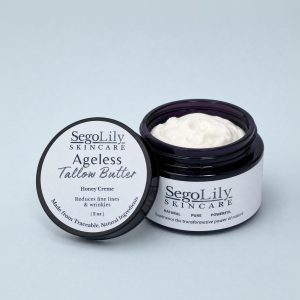
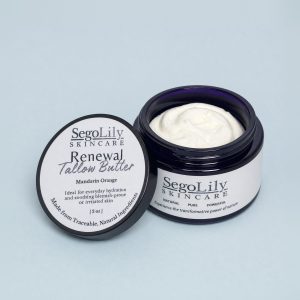
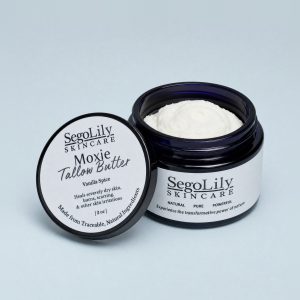
You can read how it’s actually made if rendering is the question that matters to you. Or see the range if you’ve decided to try it.
Still weighing it up?
Answer a few questions about your skin and I'll point you at the jar that suits it.